

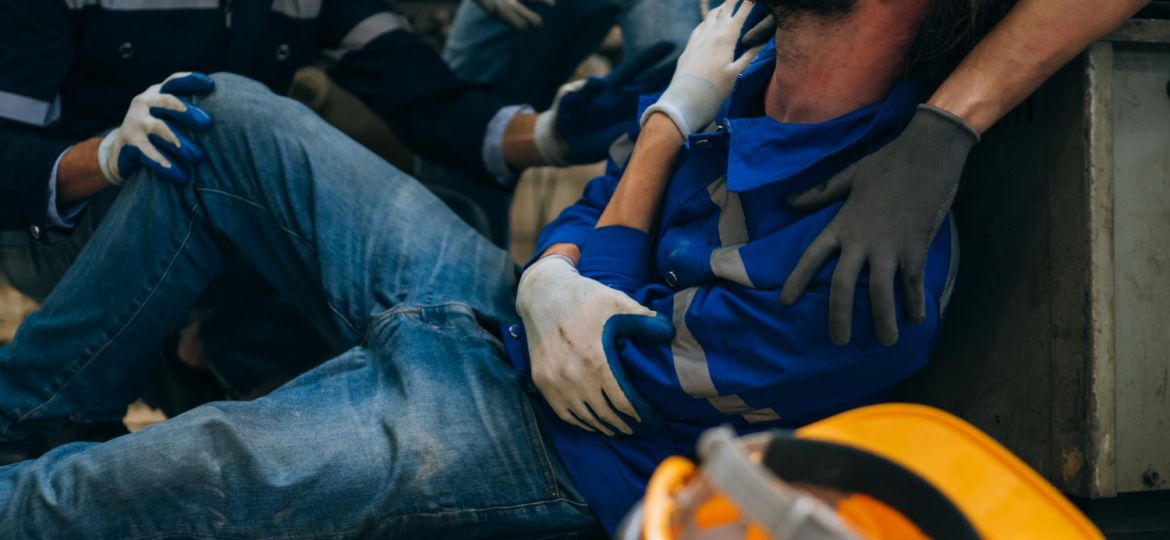
When you think something isn’t right about a workers’ comp claim, it can be frustrating to figure out what to do next. That’s where hiring someone with a trained eye can help. Private investigators in Columbus, Ohio, handle these kinds of concerns every day. But if you’ve never worked with an investigator before, you might not know what the process looks like or what to expect.
Cases tied to workers’ comp fraud in Columbus, Ohio, often share a few patterns, but they can also come with local differences. It could involve longstanding relationships, tight-knit staff environments, or smaller companies where everyone usually trusts each other. So when something seems off, it helps to have clear steps and a steady approach.
What Workers’ Comp Fraud Can Look Like
Someone committing workers’ comp fraud isn’t always obvious at first. Most of the time, the signs build slowly and feel easy to dismiss. But when small oddities keep adding up, it’s worth taking a closer look. Fraud can happen at different points in the process.
Here’s how it often appears:
- A person may fake or exaggerate the injury during the filing stage
- After the claim is approved, they may continue treatment they don’t really need
- Some return to side jobs for cash while still claiming disability benefits
These actions are dishonest, and they cost businesses money and trust. Often, coworkers start noticing differences between what the injured person says and what they’re actually doing. But without documentation, the facts are hard to prove.
Behavior changes and vague updates are common early warning signs. For instance, someone might avoid follow-up questions, skip appointments without explanation, or change their version of events. These don’t always mean fraud is happening, but when they repeat, it’s worth tracking.
Your First Conversation with a PI
When I first hear from someone about a workers’ comp concern, I always start with simple questions. My goal is to get clear and honest information that points in the right direction.
Some of the things I ask early on include:
- When did the injury happen, and what was the person’s role in the company?
- Has anything changed in how they show up, either emotionally or behaviorally?
- What brought on the concern in the first place?
I rely on timelines, events, and specific actions. If you have documentation, old schedules, or written statements, that helps a lot. But even if you don’t, I can begin piecing together the story based on what you do have. What matters is truth, not guesses.
My focus stays on the facts. I understand it can feel personal, especially when the person involved used to be someone you trusted. Still, my job is to cut through the emotional part and focus on the behavior and details that matter. That way, what’s gathered stands on its own, not on feelings or opinions.
The Steps After Hiring
Once the case is active, I’ll begin with what you’ve told me and then start gathering what I need. That looks different depending on the situation but often includes observation, reviewing paperwork, or speaking to people with direct knowledge.
Here’s how the early steps usually go:
- I spend time observing the person when possible and legal
- I gather any public records that support or challenge their version of events
- I stay organized so the timeline is always clear and easy to follow
The time it takes depends on how often the person is active, how much information is on hand, and whether new information pops up. Some patterns show up quickly. Others take more patience.
Everything is collected in a way that protects you from legal risk. No shortcuts, no surprises. I don’t pressure people or stir up drama. I’m quiet, careful, and steady because that’s what this work calls for.
Knowing When to Call In Help
It’s not always obvious when to call for help, and that’s normal. You might feel unsure whether you’re overthinking things. Often, small details look like honest mistakes until you notice they keep happening.
You may consider contacting private investigators in Columbus, Ohio, when:
- The original story keeps changing
- Paperwork or follow-up details don’t match what’s been said
- The person being paid seems far more active than expected
Some people put it off, hoping it will work itself out, but that usually isn’t how it goes. If fraud is happening, the longer you wait, the harder it becomes to sort through what’s real. By documenting events sooner and asking good questions early, you build a stronger, clearer picture that’s harder to deny or explain away.
You do not have to be fully sure something’s wrong. Just having the sense that something keeps slipping is reason enough to check.
Peace of Mind Comes from Clear Steps
That moment when you suspect fraud can make you feel unsure of what to do. But having a clear idea of the process helps take away some of the stress. You don’t have to figure it all out at once. Start small, focus on what you’ve seen, and talk things through with someone who knows how to handle it.
Having someone familiar with cases around Columbus helps you focus on facts that match the local setting. That means less guessing and more clarity. When things feel off, a steady process gives you the answers you need. And once you have those answers, you can move forward with confidence.
Noticing signs that don’t quite add up is a smart signal to ask questions before issues grow into bigger challenges. Staying ahead of workers’ comp problems takes more than guesswork, it takes a structured approach and clear facts. At Seabolt Investigations LLC, I work quietly and directly with people who need help separating assumptions from patterns that point to real issues. When you’re noticing things off in your Columbus, Ohio, workplace, I handle cases like this every day as one of the trusted private investigators in Columbus, Ohio. When you’re ready to discuss what’s been happening, I am here to listen.